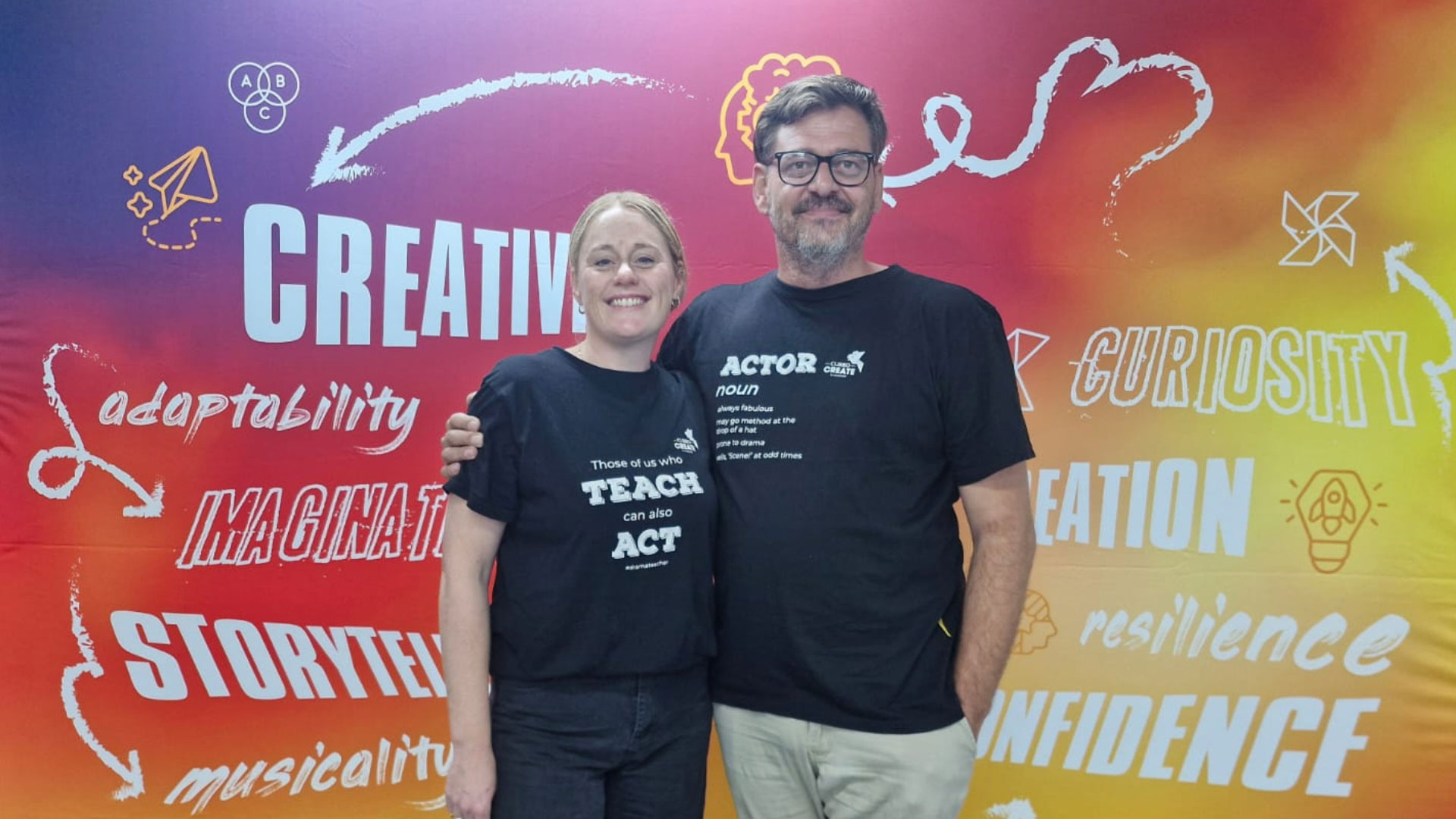
How Curro Create Classroom strengthens Dramatic Arts
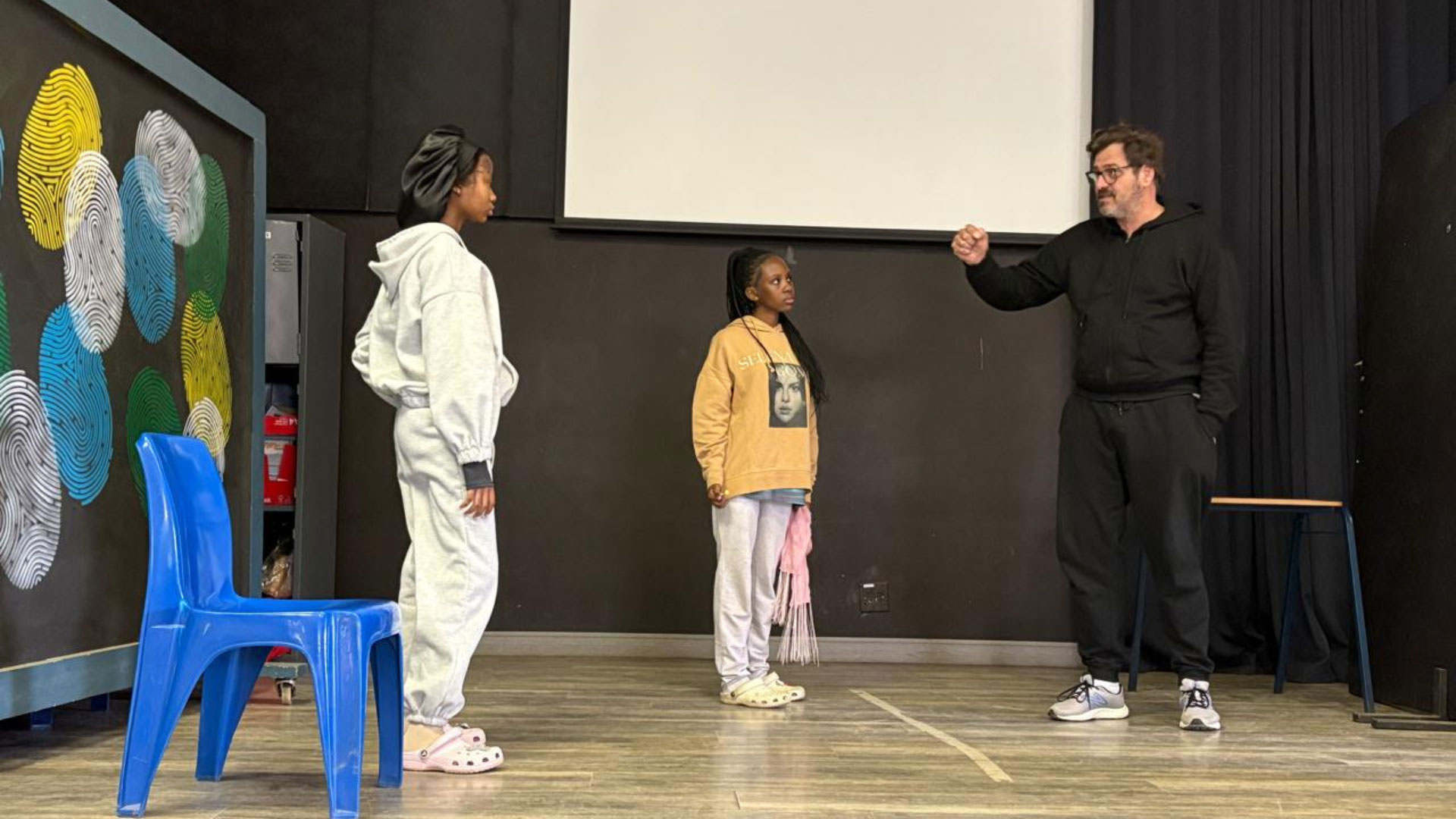
07 September 2026A learner takes her place on stage. Curro Create’s Stian Bam watches. A line is delivered and he stops the scene. A question follows … perhaps the learner tries the line again with a different intention, shifts where she stands, changes the way she uses her voice or rethinks the relationship between two characters. Then the scene starts again.
That is where Curro Create Classroom’s Grade 12 Dramatic Arts practical preparation tour comes alive. The process can turn on details that seem small from the auditorium, but for the performers and Dramatic Arts teachers watching, those moments matter the most.
‘An outside eye can be particularly valuable in practical subjects,’ explains Lize-Meri Amann, Head of Curro Create Classroom. ‘Teachers work with the same learners and material over an extended period, and sometimes a fresh perspective can reveal something that has become less visible through repetition. They can also see how questions and experimentation can encourage learners to discover solutions rather than simply being given instructions to reproduce.’
With the final practical examination approaching, every adjustment also sits within a clear assessment framework. IEB Grade 12 examinations draw on CAPS and subject-specific assessment requirements, so the work on stage must demonstrate the knowledge and practical ability expected at this level.
The annual tour, which ran from 21 July to 22 August this year, saw Stian visit Curro schools offering Dramatic Arts. His work with Grade 12 learners formed one part of the programme.
That fresh perspective has been part of the tour since its beginnings several years ago, when a handful of schools invited him to work with learners shortly before their final practical examinations. As the programme expanded, Curro Create Classroom identified a broader need for greater consistency in the practical skills expected at Grade 12 level.
Standardisation has therefore become an important part of the tour. The curriculum, practical examination requirements and assessment rubric provide the foundation for Stian’s work at every school. This gives Curro Create Classroom an opportunity to compare patterns across schools, identify recurring challenges and see how effectively skills developed in Grades 10 and 11 carry through into Grade 12.
‘By working with Grade 12 learners across Curro schools, the same fundamental expectations can be considered across the group,’ continues Lize-Meri.
Individual performance choices remain central to Dramatic Arts. The common reference point is the level of technical ability and practical application expected from a Grade 12 learner.
Each learner receives approximately 75 minutes with Stian, covering all three prepared practical pieces. He works on projection, articulation, physicality, characterisation and use of space, while also exploring intention, interpretation and the learner’s understanding of the material.
The tour has started to show evidence of change beyond individual sessions. Lize-Meri reports, ‘One of the most encouraging observations from the most recent tour has been the growth visible in the work across schools. There is greater consistency in technical preparation, stronger selection of material and more consideration of how each practical piece functions as a performance.’
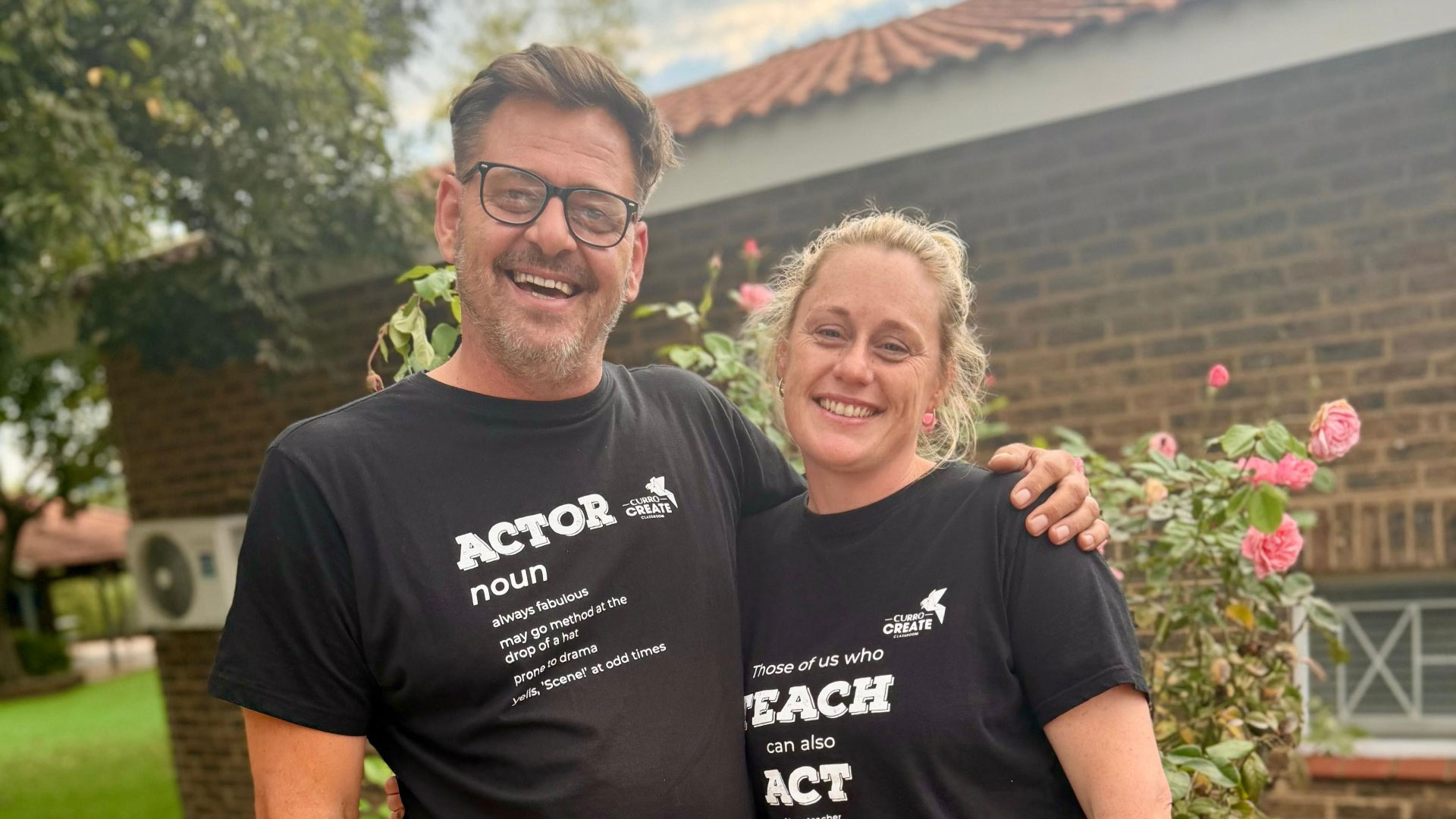
She contributes curriculum expertise and experience as an IEB examiner, while Stian brings his PGCE and professional theatre background. Their combined input keeps the practical work connected to both performance practice and assessment expectations.
For Curro Create Classroom, the larger aim is to strengthen how practical Dramatic Arts is taught across the group and to support the teachers responsible for building those skills over several years.