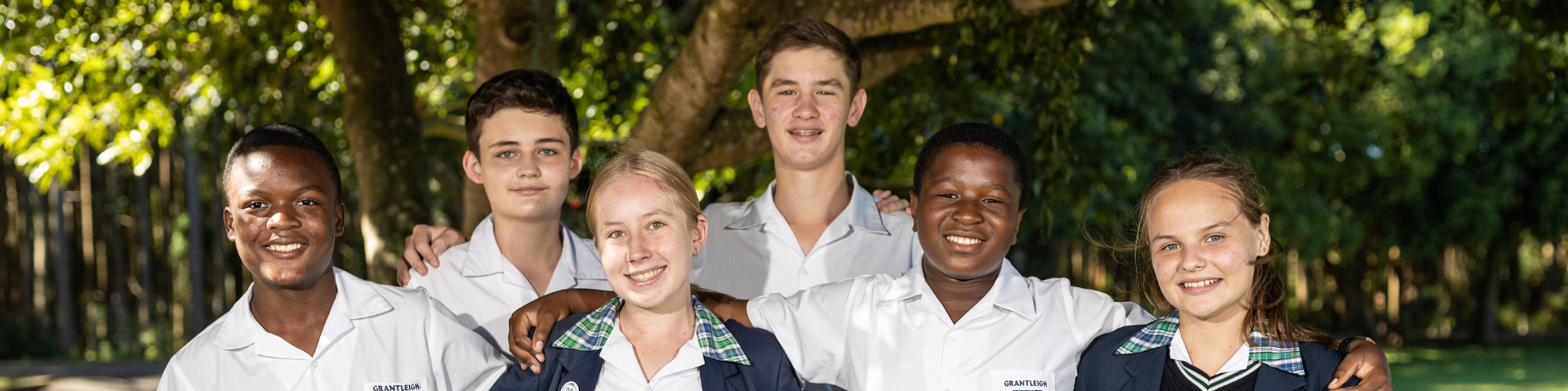
When boarding starts to feel like home
20 October 2026A Grade 9 boy is showing a Grade 7 learner how to knot his tie properly for assembly. Nobody asked him to. He remembers someone doing the same for him two years earlier, in the same boarding-house corridor.
Small moments like this say a great deal about boarding. They help learners feel known and supported, even when home is some distance away.

It takes a village
Parents need a village at every stage of raising a child, and boarding can become part of that support system.
One question often sits behind the decision to board: who will be there for the small things?
A boarding parent may know when a learner needs a quiet word before a difficult test or when someone needs some time alone. They notice when a learner is quieter than usual and understand when to offer encouragement.
That care works alongside the structure of boarding life. Learners have routines and academic support, with growing opportunities to take responsibility for themselves.
A weekend at home can also feel different after several days apart.
Finding the right boarding model
Families have different needs, and boarding can take different forms.
For younger learners, weekly boarding can introduce independence gradually. Five days away are followed by a weekend at home, giving learners time to become comfortable with boarding while maintaining a regular connection with family.
At schools such as Grantleigh and Curro Mahikeng, Grade 4 learners may begin by learning to manage their routines and responsibilities, knowing that home is only a few days away.
Older learners at schools including HeronBridge, Curro Heuwelkruin and Windhoek Gymnasium experience greater independence through termly boarding.
They learn to manage their time, deal with disagreements and make everyday decisions without a parent immediately beside them. Missing home can remain part of that experience as their confidence grows.
Growing at your own pace
The name Curro comes from the Latin Curro, meaning ‘I run’. The idea that each learner develops according to their own aptitude, attitude and talents also fits naturally into boarding life.
No two learners arrive ready for independence at exactly the same pace.
Some settle quickly. Others need longer. One learner may take responsibility from the first week, while another benefits from someone walking alongside them for a little longer.
Good boarding makes room for those differences.

The people who make a difference
Relationships shape how a boarding house feels.
At Curro Hazeldean, supervisors Vusi Khanyile and Angela Brunido share coffee with boarders on most evenings. There is no formal agenda. It is simply an opportunity to talk.
At Curro Heuwelkruin, Head of Boarding Eric Egen and Boarding School Manager Sandra Egen see themselves as parents away from home. They know learners individually and follow their academic progress closely so that changes can be noticed early.
Curro Mahikeng Boarding Manager Mpumi Katane has spent 14 years in the role and lives on site. Over that time, she has supported families whose children have grown through the school.
The boarders there have also created their own quarterly magazine, The Boarding Chronicle. Written by boarders for boarders, it gives them space to tell their own stories and take ownership of their community.
At Grantleigh, boarding parent JP Cronje has been part of the community for many years and later returned to raise his own family there. Caroline Nzuza joined the school as an assistant teacher before becoming a sports coach and then a boarding parent.
Their experiences show how much continuity in boarding depends on the people who remain part of a community over time.
The ordinary details matter
For families considering boarding, everyday life often matters most.
What happens after school? Where do learners study? Who helps when something goes wrong? What are weekends like? How much responsibility will learners have as they get older?
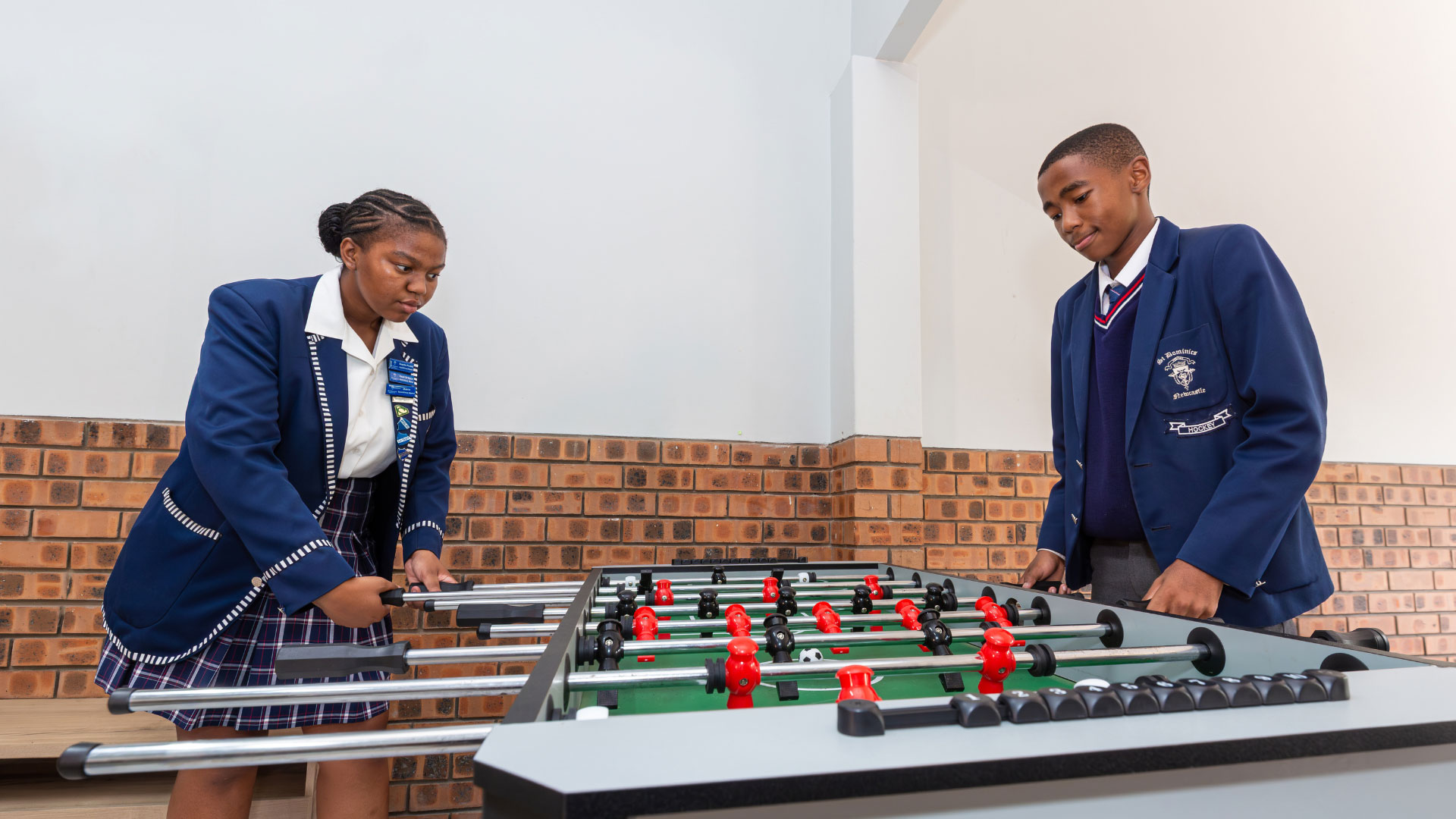
In some boarding houses, younger boys complete supervised homework before dinner, leaving the rest of the evening free. Shared meals offer time to talk, while familiar routines give learners a sense of what to expect.
Bedrooms can also become personal spaces. Photographs, posters and belongings from home help learners make a room feel like their own.
As learners grow older, they can take greater responsibility for themselves and their living spaces.
Weekends may include academic support when needed, as well as activities such as mountain biking or fishing.
These moments are ordinary by design. A meal shared, homework completed or a familiar face in the corridor can shape how a learner experiences boarding.
A place to grow
Families choosing boarding are looking for an environment that supports their child’s development while keeping care and connection close.
That is where ‘Board with Heart. Grow with Curro’ finds its meaning.
It is built through repeated, everyday acts of care from people who know their learners and understand that independence develops gradually.
From younger boarders learning how to find their feet to senior learners preparing to leave school, boarding gives learners space to grow at their own pace, with people around them who notice the small things.